2026 Colleagues Retreat:
Building and Bolstering Our Capacities as Nonprofit Organizations and Individual Practitioners
We are excited to offer the Retreat the first day of the New York Statewide Preservation Conference!
Hosted at The Otesaga resort in Cooperstown on Wednesday, April 15.
During this day-long retreat, we'll focus on the nuts and bolts of our shared work as nonprofits operating during periods of social upheaval. We aim to share tools, case studies, and engage collaboratively throughout the day as we tackle issues of fundraising, coalition building, employee burn out, and ways to foster healthy organizational habits/culture — especially when it feels like the world is on fire.
-
"Fundraising Can Be Organizing — If We Let It" by Haley Bash in Convergence Mag
"Arts & Culture in the Multi-Crises" by Mallory Nezam on Medium
"The Burnout Crisis in Historic Preservation" by Raina Regan for Preservation Leadership Forum
"Rethinking nonprofit infrastructure for a new era" by Nourbese Flint for Candid
Operating Hours of The Architectural League: As of January 2025, The Architectural League has shifted its regular total weekly working hours from 40 to 32.
“Navigating disruption while keeping long-term goals in focus in 2026” by Trista Harris for Candid
From the National Council of Nonprofits:
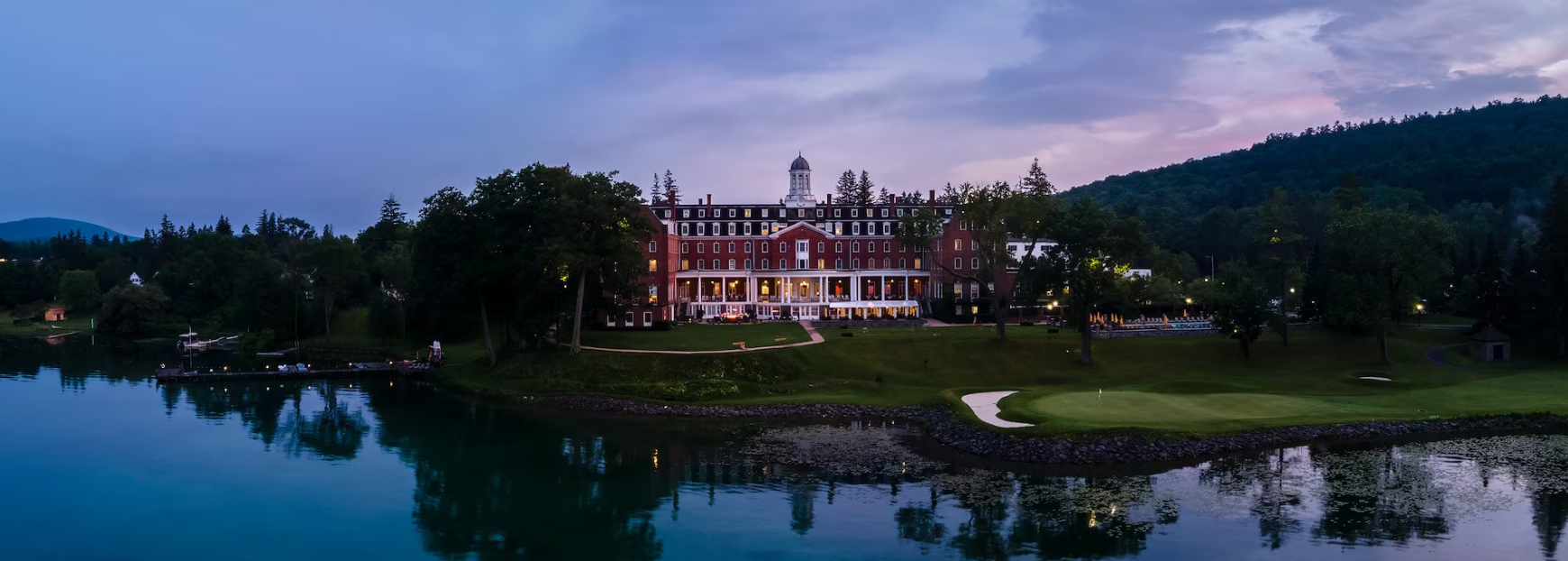
The Otesaga seen across the lake at dusk.
Agenda
Wednesday, April 15, All-Day Retreat
Panels and group discussions will be facilitated by Barbara D. Paxton, Director, BoardStrong, a subsidiary of the New York Council of Nonprofits (NYCON).
8:00-9:30 a.m. - Breakfast and welcome
9:30-10:30 a.m. - Facilitated Discussion: The state of Historic Preservation (Nonprofits)
10:30-10:45 a.m. - Coffee Break
10:45 - 12:00 p.m. - Panel 1: Filling Gaps and Building Community: How Nonprofits Stay Relevant
12:00-1:30 p.m. - Lunch
2:00-3:15 p.m. - Panel 2: Supporting the Work by Supporting Ourselves: Talking About Organizational Culture
3:15-3:30 - Coffee Break
3:30-4:30 - Breakout Group Activity: Build Your Dream Organization
In small groups, discuss current challenges to your workflows and ideas (specifically no- or low-cost ideas!) that could improve employee morale, team building, etc. Each group will report out key takeaways from their conversations.
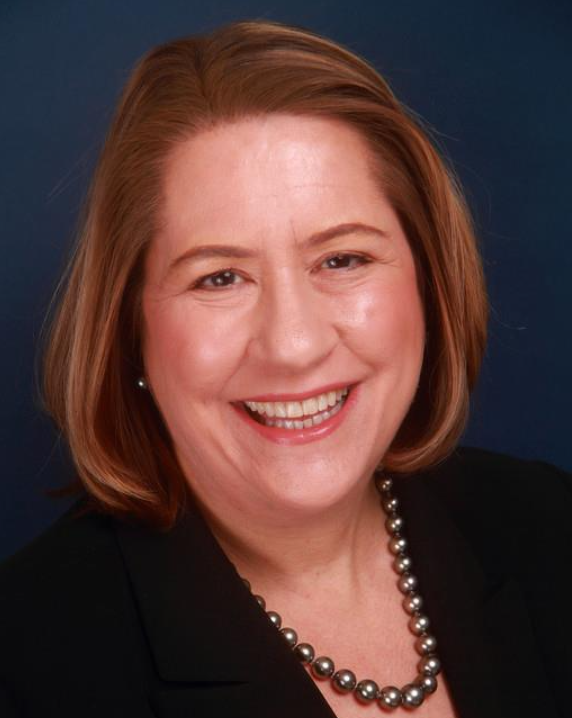
Workshop Facilitator
Barbara Paxton is the Director of BoardStrong, an organization that provides nonprofits access to diverse board candidates with a passion to serve, while helping boards make best use of the talent around the table and preparing new board members to serve as effectively as possible.
Barbara is recognized as a pragmatic and creative nonprofit leader with experience in board leadership, board development and governance, fundraising and finance.
Barbara has also been the Chief Development Officer at The Child Center of NY, after having served as the Director of Development at Helene Fuld College of Nursing in Harlem and Executive Director of Children of Bellevue. She has served on the Boards of The Pearl Theatre Company and the New York Junior League, and currently serves as chair of the board of the Center for Comprehensive Health Practice and a member of the Community Advisory Committee of the Henry J. Carter Specialty Hospital.
Barbara earned a B.A. at Wellesley College and a Master of International Affairs at Columbia University’s School of International and Public Affairs.
Panel 1: Filling Gaps and Building Community: How Nonprofits Stay Relevant
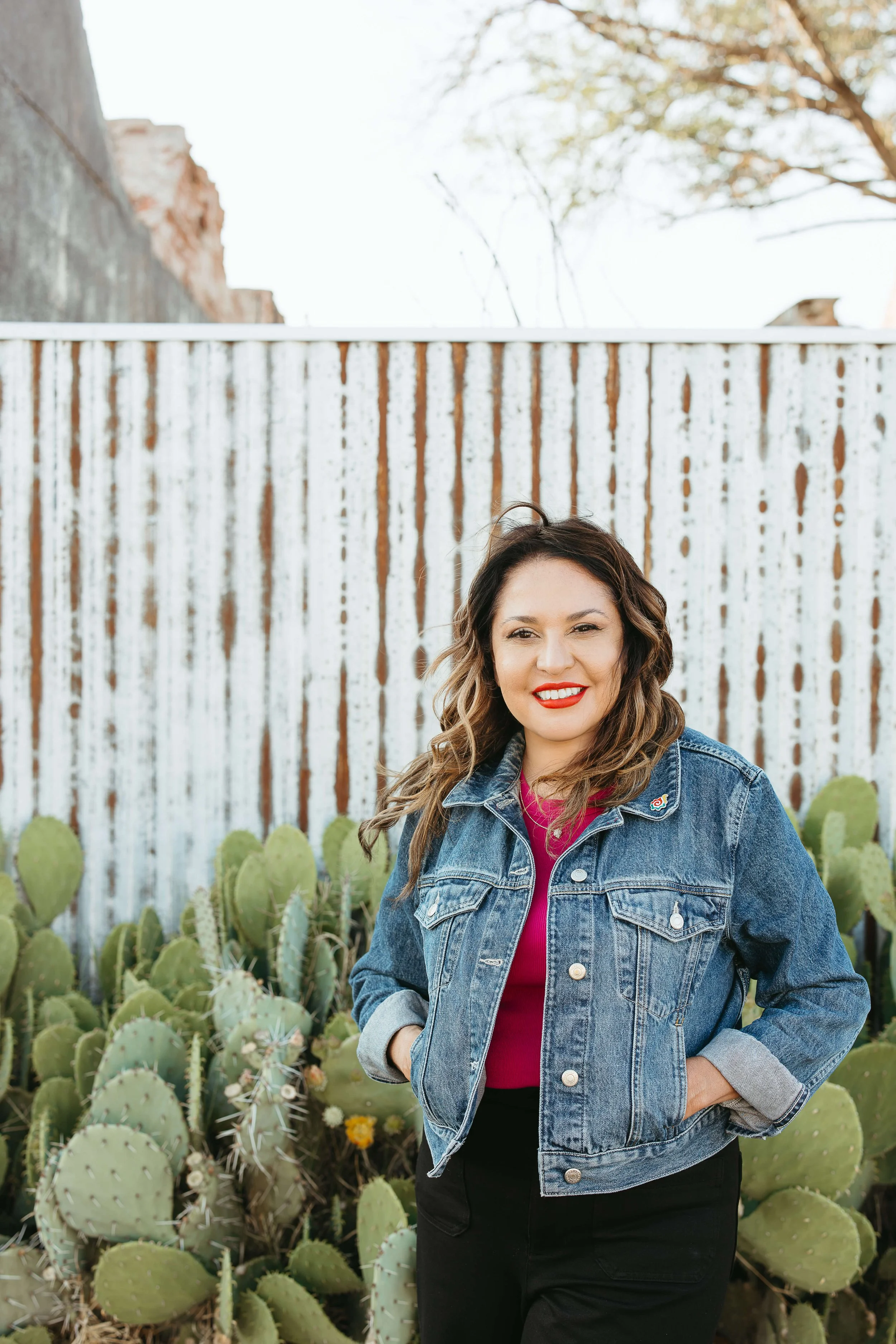
Sehila Mota Casper is a leading historic preservationist and heritage conservationist committed to fostering inclusivity and equity in the field. As the inaugural Executive Director of Latinos in Heritage Conservation (LHC), a national nonprofit, she champions the preservation of Latinx places, stories, and cultural heritage across the United States.
At LHC, Mota Casper has secured significant funding, including a transformative $4 million grant from the Andrew W. Mellon Foundation. This funding supports groundbreaking initiatives like the first-ever Latinx preservation granting program, the expansion of the Abuelas Project, and a vital Latinx preservation toolkit for the Borderlands region.
Before LHC, Mota Casper was a senior field officer for the National Trust for Historic Preservation, directing projects in Houston, Texas, and contributing to Austin's preservation initiatives with a focus on amplifying a racially equitable grant program.
She holds a Master of Fine Arts in Historic Preservation from SCAD, where her pioneering thesis was the first in the U.S. to directly address the systemic underrepresentation of Latinx heritage in national historic preservation, laying the groundwork for a national strategy to conserve Latinx sites.
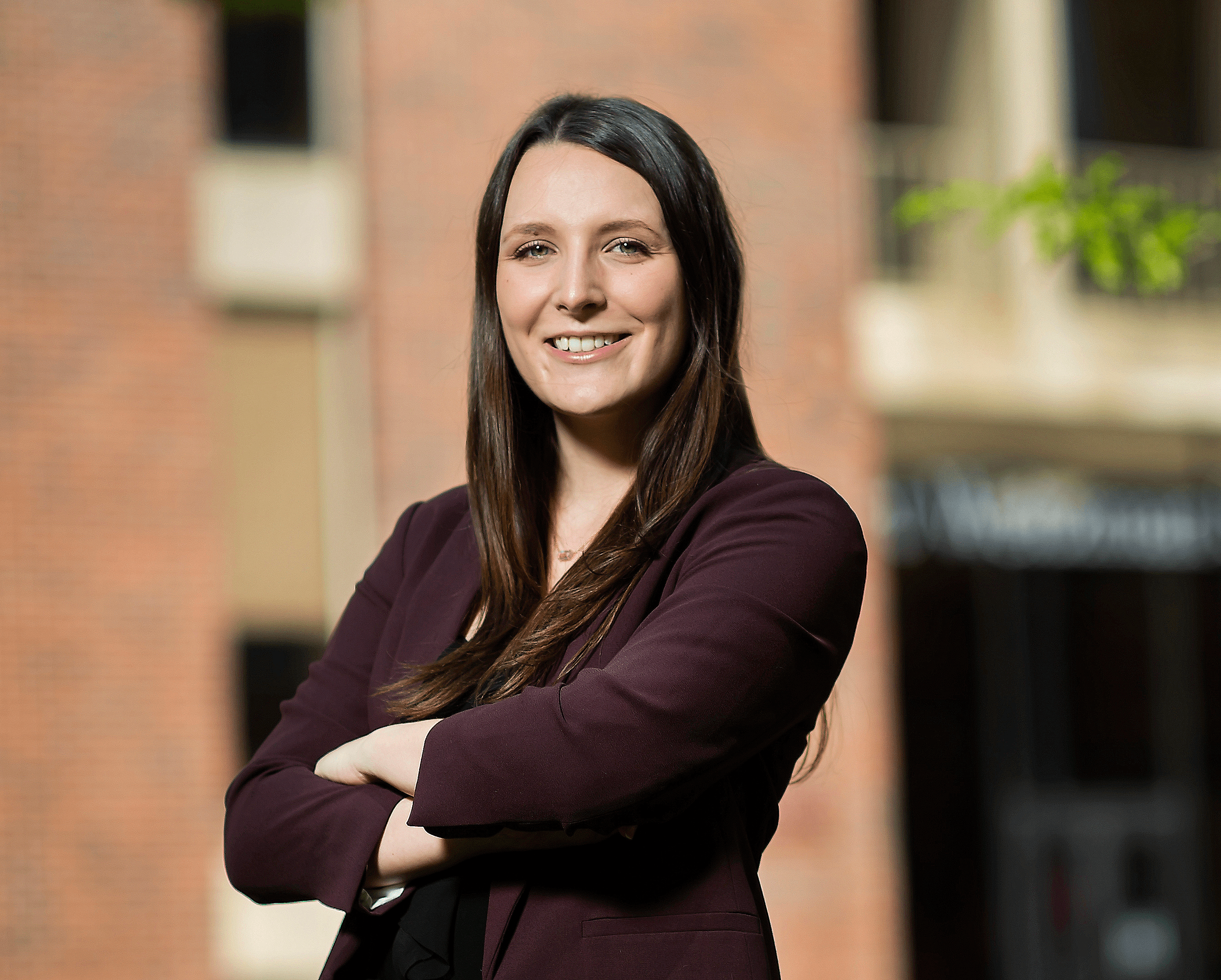
Hanna Stark is the Director of Policy and Communications at the Preservation Alliance for Greater Philadelphia, a membership-based nonprofit advocacy organization that shines a spotlight on the places that make the Philadelphia region special and gives a voice and a toolbox to those who care deeply about protecting them for the future. She leads advocacy initiatives related to zoning, historic designation, and preservation incentives, and works closely with community stakeholders, elected officials, and partner organizations to advance preservation-first approaches to sustainable development.
Prior to her current role, she worked for the National Trust for Historic Preservation’s Government Relations department. Hanna holds a Master of Science in Historic Preservation from the University of Pennsylvania and a Bachelor of Arts in Architecture from Clemson University. She also serves on the board of the Preservation Action Foundation and Young Involved Philadelphia and is the staff liaison to the Young Friends of the Preservation Alliance.
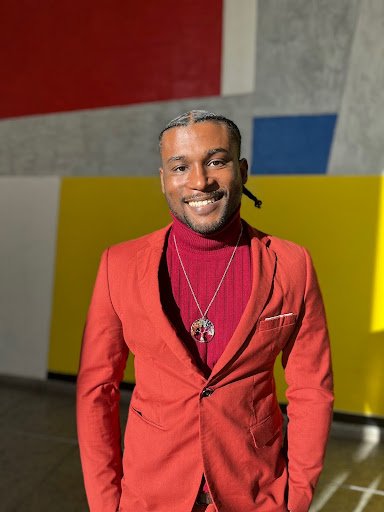
Lukee Forbes is a community advocate whose life has been shaped by deep personal loss and hardship. After his mother was diagnosed with HIV/AIDS, Lukee began skipping school and running away, a pattern that led to him being labeled a person in need of supervision. As his behavior continued, he was placed on probation, and eventually, a warrant was issued for his arrest. At just 15, he was incarcerated for his part in an assault and spent 7 years behind bars.
Coming home to the loss of both parents and experiencing homelessness, Lukee’s early struggles fueled his determination to change the system that once failed him and his community. He’s worked with organizations like VOCAL-NY and the Hudson Catskill Housing Coalition, and he co-founded We Are Revolutionary with Qubilah Sale, where he now serves as Executive Director, devoting himself to addressing the school-to-prison pipeline, ending adverse childhood experiences, and supporting those most impacted by systemic injustices.
Lukee’s journey is one of raw resilience and commitment, driving him to ensure that no young person or community member ever feels as abandoned as he once did.
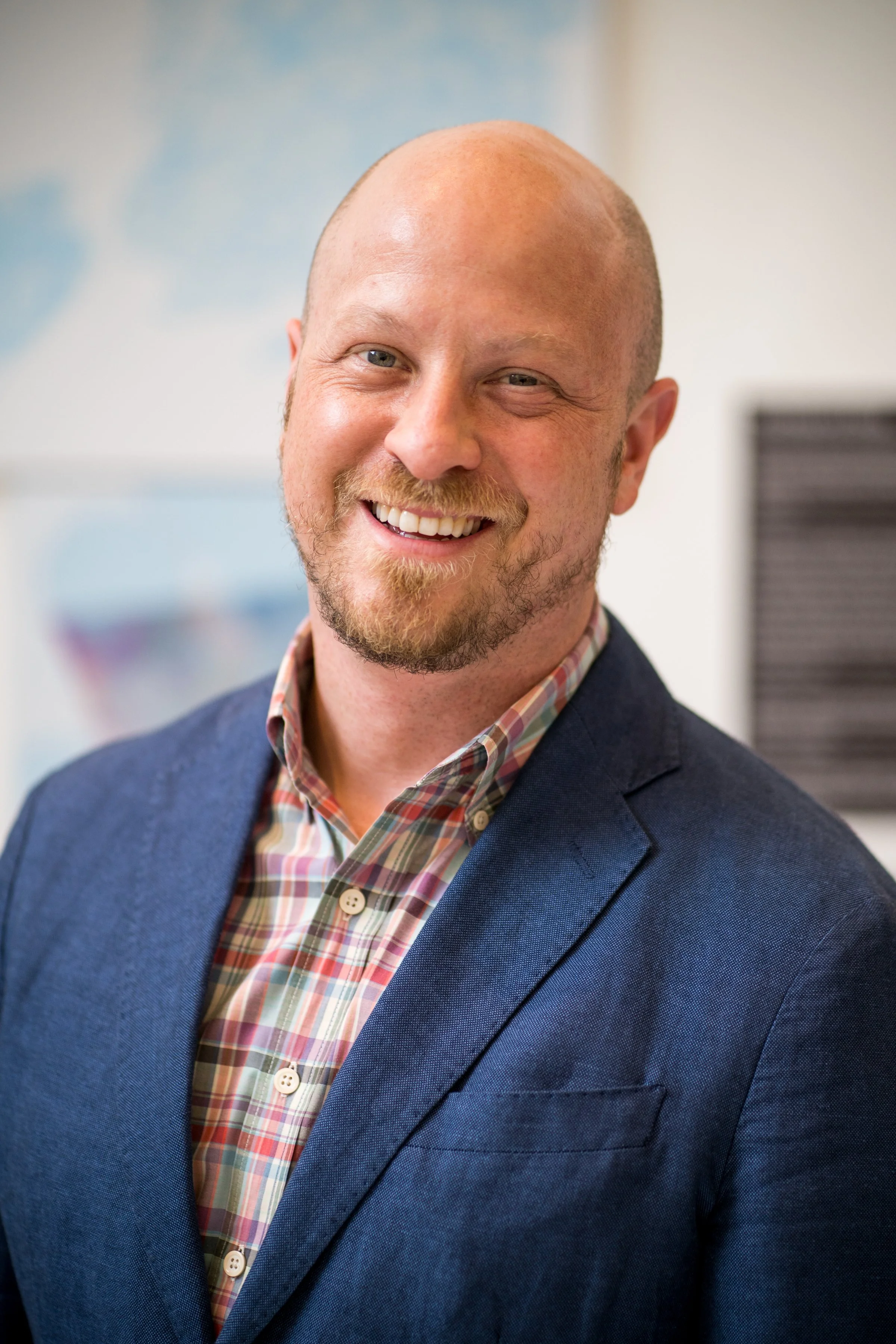
Benjamin Prosky became President of the Richard Hampton Jenrette Foundation in 2023. With a degree in Urban Studies from Vassar College, followed by graduate work in Urban Planning at Columbia University Graduate School of Architecture, Planning and Preservation, Prosky has devoted his career to a range of projects dedicated to the promotion and interpretation of architecture and design. Previously he served for seven years as the Executive Director of American Institute of Architects New York Chapter (AIANY) and the Center for Architecture. He has held prior leadership roles at several prestigious academic institutions, serving as Assistant Dean for Communications at Harvard University Graduate School of Design and Director of Special Events and External Affairs at Columbia University Graduate School of Architecture, Planning and Preservation. In earlier roles at international museums and cultural institutions, such as the Canadian Center for Architecture in Montreal, Canada, and the Institute français d’architecture in Paris, France, his work focused on developing public educational programs and exhibitions. He currently serves on the board of directors of NYCxDesign and the Association of Architecture Organizations (AAO). A Native New Yorker, Prosky divides his time between Brooklyn and Woodstock, New York.
Panel 2: Supporting the Work by Supporting Ourselves: Talking About Organizational Culture
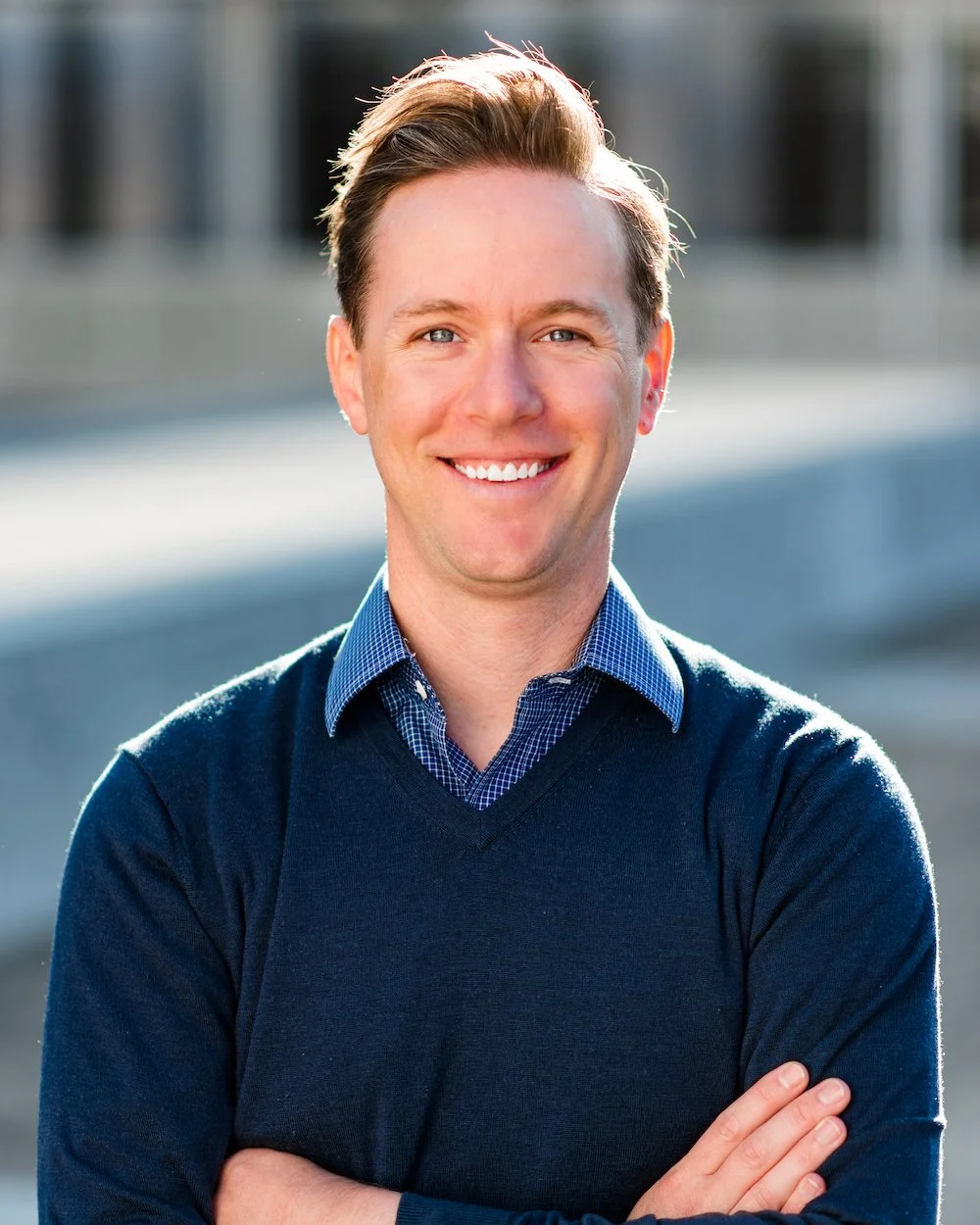
John Garrison Marks serves as the Vice President of Research and Engagement with the American Association for State and Local History. He directs AASLH’s field-wide research initiatives about the public history community and the role of history in American life. He also manages several other partnerships, initiatives, and special projects, including advocacy, partnerships, and internal survey and data efforts. He has written for TIME, Smithsonian Magazine, Washington Post, and other outlets and is the author of Thy Will Be Done: George Washington's Legacy of Slavery and the Fight for American Memory.
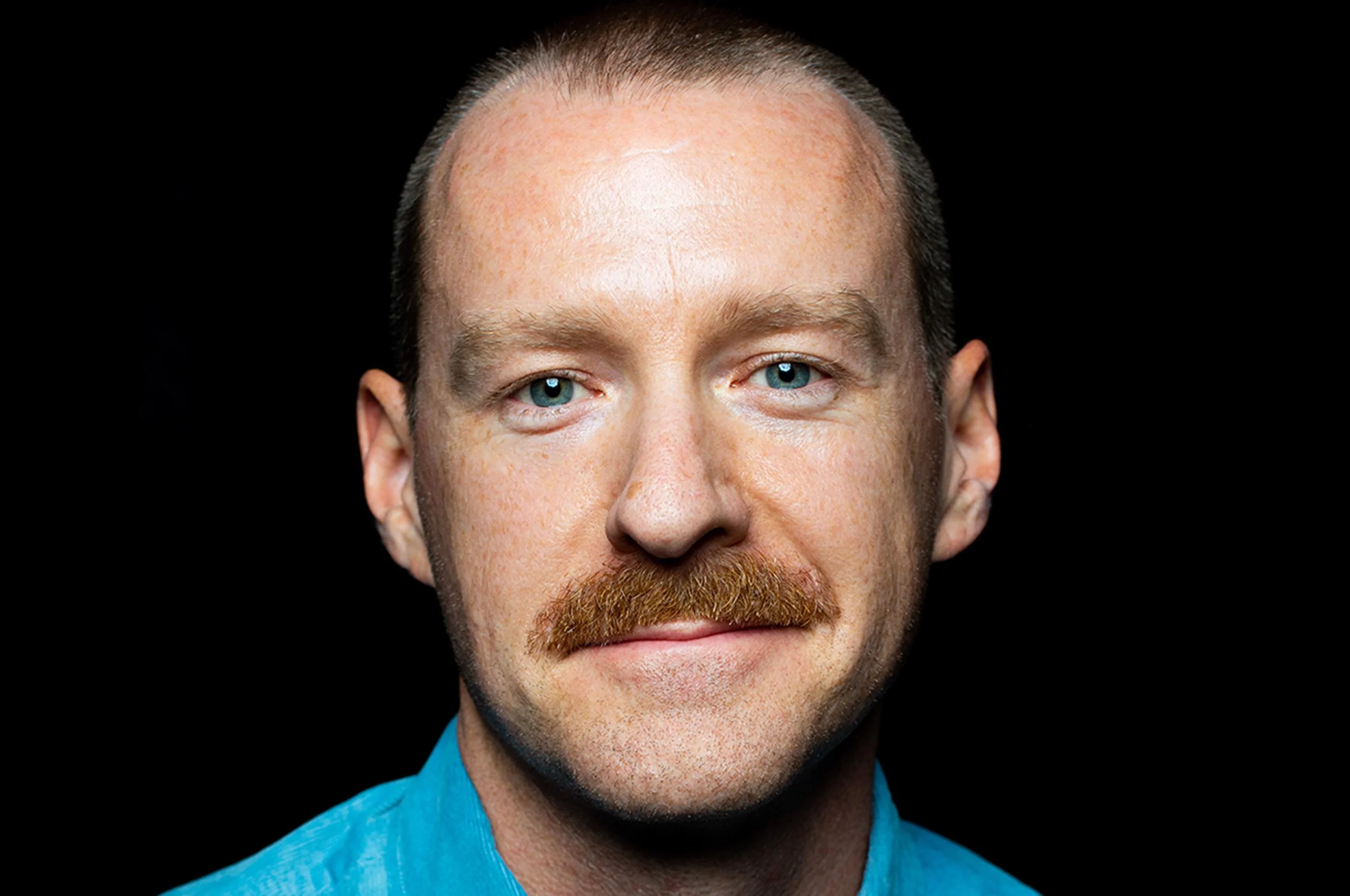
Jacob R. Moore is the Executive Director of The Architectural League of New York, a role he has held since September 2023. There he leads the staff of 11 and serves as publisher of Urban Omnibus, shepherding all of the organization's operations, partnerships, public programs, and research initiatives, with oversight from the organization’s board of directors. Previously, Moore worked as the Associate Director of The Temple Hoyne Buell Center for the Study of American Architecture at Columbia University, as founding and contributing editor at the Avery Review, and as an editor at Princeton Architectural Press.
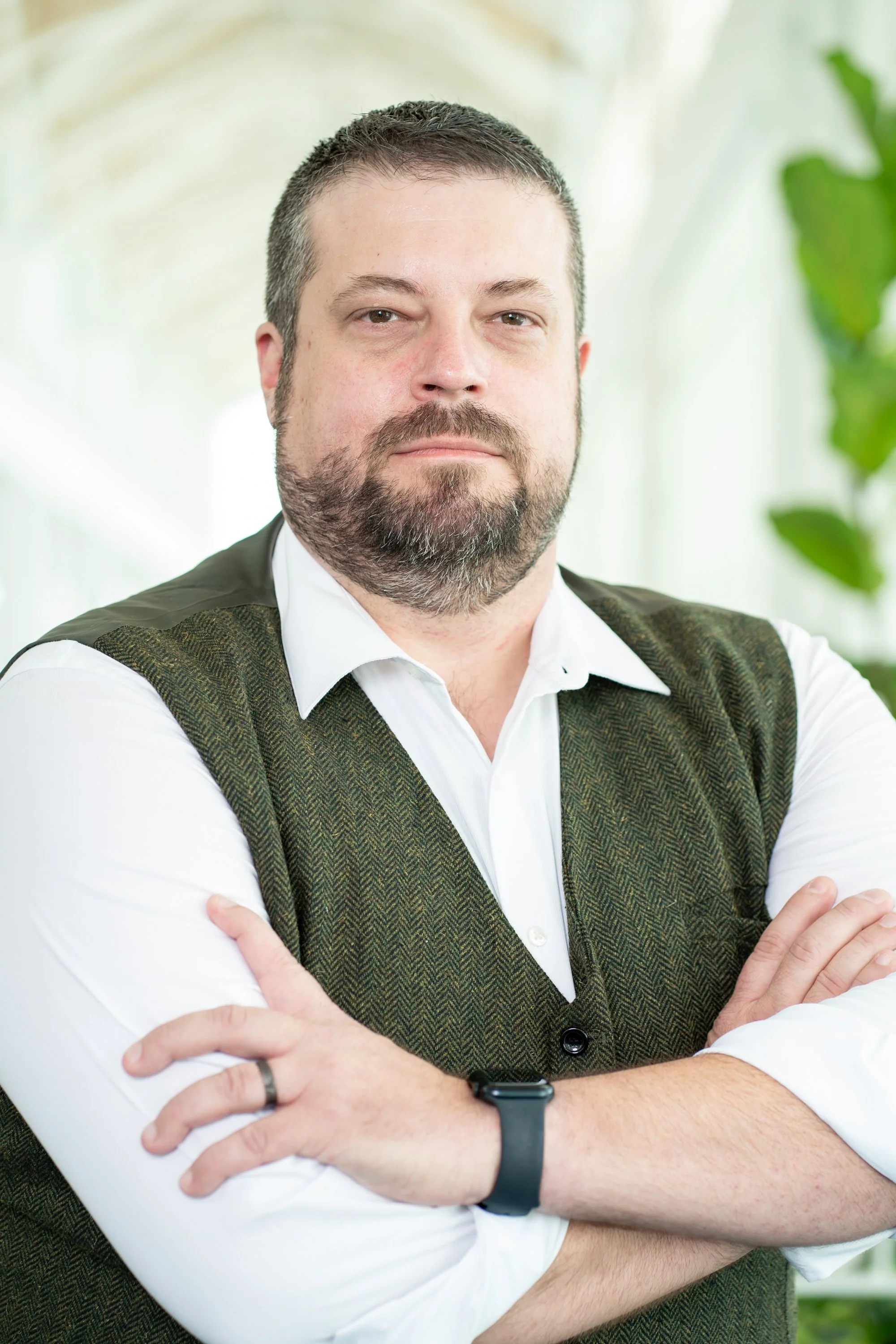
Aaron Noble is Assistant Council Leader for Division 194 of the New York State Public Employees Federation, representing more than 1,200 professional, scientific, and technical employees in the New York State Education Department. He serves as a senior historian for the New York State Museum and Office of Cultural Education in Albany. As a historian, museum professional, and labor leader, Noble is a member of the Labor Task Force for the National Council for Public History (NCPH) and is working to build a labor working group for the American Association for State and Local History (AASLH). He has presented at the Museum Association of New York annual conference about the role of unions in the museum workforce and in conversations about new/different models for museums and history not-for-profits.
Thank you to our sponsors: